

Interest rates in the US have been increased as a signal that inflation is too high. Here at home, that has been deferred, at least by a month… to the relief of the Chancellor as rates on government borrowing also slipped a tad and off their recent peaks, though that is likely to be somewhat illusory.
However, we also hear government borrowing, despite record taxation, is also at a new record – some accolade.
But if you increase the public sector and ramp-up its pay way above inflation (and above the private sector) and increase welfare, guess what is going to happen. One wonders if the ploy is to make so many dependent upon the State in public sector jobs and welfare that they think the turkeys won’t vote for Christmas and will re-elect them at the next General Election… or is that too cynical! However, even as my ink here had not dried, we were informed that over half of Labour MPs are in constituencies with over half of the electorate on welfare…
What came first, inflation or the Triple Lock? Well yes, they are different but linked – as inflation rises to 3.1% fuelled by fuel increases and as pensioners look forward to yet another bumper increase next year as average wages (fuelled by the public sector, I mean taxpayer) rise the most. It’s good that State Pensions are rising so much but frankly the ‘Triple Lock’ is unaffordable as a promise of increases every year. Now it’s done its duty of raising pensioners on only the State Pension up from poverty, someone somewhere has to be brave enough to at least discuss this as opposed to worrying about the electoral wrath…
Conference

Felix, Helen and I have just returned from an uplifting conference with ACFA, full of helpful anecdotes and encouragement especially about the job of work we are doing and the service which our relationships with so many of our clients delivers and well beyond the ‘simple’ provision of financial services.
Some of the sessions took us back to the origins of the whole concept of what is our money, what is it for and what constitutes ‘good stewardship’ (a requirement all of us needs to observe in reality, including how we look-after what we have and also what we spend and on what) as well.
We drilled into Old Testament concepts of ‘interest’ and ‘investing’ too and how those with capital beyond emergency savings need to ‘invest it’ rather than simply let it sit on deposit – an awakening for so many in the UK it suggests!
Defence

A very interesting piece by the FT Adviser Senior Editor on defence and the EU’s relaxation of its rules to allow defence industries to be included in so called ’Socially Responsible Investments’ (I can’t say ‘ethical investments’ as all other investing is not ‘unethical’ and there’ve been very unethical practices involved in peddling of so-called ‘ethical investments’ as well and there continues to be).
Make war, not love: how defence became framed as ‘sustainable’
I was pleased to be quoted and attempting to ‘humanise’ the principles around which those decisions have been formed. I know, too, for a country there are decisions to be made including upon what the money should be spent (as that is never clear and changing constantly as technology, geopolitical risks and war patterns alter) and the basic one is that if you don’t defend your nation, it’s all very well being fluffy about protecting ‘welfare’ but if your country is overrun and destroyed you have no welfare capacity. Labour doesn’t understand that.
Gilty parties
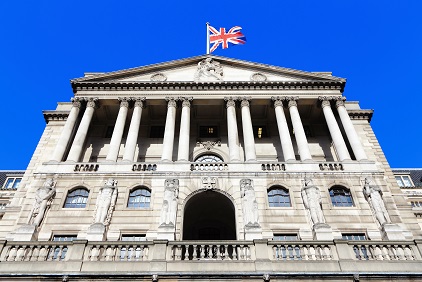
Remember Quantitative easing? The Bank of England bought £895billion of government loans during the programme. It has been selling them and making colossal losses which have themselves been ‘lost’ in the system, despite being a cost to the Country. The OBR suggests on closure of the programme these costs to the Nation could be £288billion.
One day before Liz Truss’ ill-fated Budget, the BoE announced it was going to start flooding the market by selling these Gilts, so that on basic ‘supply and demand’ economics, guess what happened to the price as a consequence, fuelling the upset which happened over the Budget and bringing-down a government. The Treasury had been informed of the Budget provisions in advance and raised no concerns. Was this a political move by the Bank of England and the City to kibosh her and the Government (and everyone knew there was a Budget due)?
Gilt rates are now far higher under this Government but last week, the Bank stopped selling these excess Gilts and indeed of the £488billion left, it has allocated £120billion of them for ‘permanent retention’. Under simple supply and demand logistics, guess what happened; long-dated Gilt prices jumped by one of the biggest daily levels. The cynic might wonder if the Bank of England is truly ‘independent’ (or whether it should be at all) and if this latest move is ‘political’ to make the Chancellor’s Budget on 28 October more palatable, or/and to prepare the ground for a 0.25% Base Rate hike next month?
Safe investments

I’ve touched upon the concept of risk and low risk before. Government Bonds are the safest investment in the world, backed by nations which have assets and which can tax their people (two principles why I do not support ethereal cryptocurrency at all). However, as with anything, from shares to residential property, gold and teddy bears, prices can be too low and also crucially, too high and that represents high risk.
Not even at peak prices in 2022 but a recent article by Bowmore Asset Management has calculated that private investors in ‘safe’ British Government Stock (Gilts, as in ‘gilt-edged’ you will remember) since the second quarter of 2020 have lost £2.8billion, 38% of their money. ‘Clever’ UK Pension funds lost £268billion in the same time. How much did we lose? Nothing, as we held not one – because they were too expensive and other things were better value and in our book, therefore far safer too.
What the article fails to do, however, is to note that since 1 October 2020, the FTSE Allshare Index has risen 75%, excluding costs but also ignoring a rather higher income than the miserable interest gilts were paying. This is called the ‘opportunity cost’ – the lost profit. So, the investor either saw his £1,000 of capital in ‘safe’ gilts become £620 or £1,750 – 182% higher. If we didn’t have any gilts and we had other things instead… you can do the maths. Are we buying Gilts now? Yes, we are – a little but that’s because we are value ‘vultures’ I suppose you can say! I should not be at all surprised if we are not buying them from disappointed investors who have held them since 2020 – but selling something when it is cheap is not usually wisdom is it…!
I am reminded both of those hapless and unfortunate investors in some of these safe investments at the time, like the Scottish Widows’ multi-billion Pension Protector Fund ‘Series 4’ which sat on the risk ratings not far removed from cash at the bank (it’s been made higher risk now funnily enough, even though the risks are reduced now!). It lost over 50% from peak to trough in just a year at its worst. Or that elderly client we had whose grandmother had bought the equivalent of £800 nominal War Loan in we assume 1914, enough to buy a row of houses but at her death it fetched about £160 (it was repaid ultimately at £800 but even then – a pittance).
Executorships and professionals

The old tradition was that you ‘had’ to go to a lawyer to execute a Will and secure Probate. However, that isn’t the case at all and some recent cases have alarmed us in terms of that received wisdom. Politely (and readers will know that we have been dealing with Wills, Estates, Probate and Trusts for almost three decades now) but especially if the estate includes investments, maybe the average lawyer, without the experience and qualified expertise in the subject (which the majority does not have), let alone the regulated investment processes ‘necessary’ are not best for dealing with estates with investments.
A recent case reminded us that it seems the firm, a large operator in Wills and Estates ostensibly, doesn’t have a simple check list to follow when it comes to the necessary duties and allowances etc to claim for Inheritance Tax. The deceased’s estate included some AIM shares but did the lawyer know about those and the 20% IHT relief which was likely to apply? No. Did they have any process of checking and knowing which might qualify or not? No. Without our random curiosity to the beneficiaries, as much as £20,000 of extra IHT was about to have been lost.
In another case, we had asked the beneficiary if a Tax Return had been considered to be done up to the date of death and the lawyer replied ‘no, we are not accountants’ (as if that is a necessity for most cases, which it is not). The reason is because the deceased has a whole year’s Tax Allowance in the year of death, so if say, they died in June, potentially £1,250 of tax could be reclaimed and even more if they paid higher tax rates. It is the executor’s job!
We have spoken too about the absence of any investment action during the period of executorship and awaiting Probate. Where we are investment managers, we continue to manage those assets during that time. The idea that on death nothing happens to an estate borders on negligence, especially as it could be two years sometimes before Probate releases that capital (and sometimes much longer believe it or not)!
Finally, how many professional executors engage properly with beneficiaries about how it is best to receive the legacy? Simply encashing everything and saying ‘here’s your cheque’ is unlikely to be the best. What about having some or all of those asset transferred across, saving disposal costs and selling-out at selling prices only for the recipient of them having to seek expensive advice and reinvest, paying buying costs, brokerage and Stamp Duty? Simply reregistering could be worth up to 10% to the beneficiary and no risk of being out of the market. Sadly most traditional executorship firms have no capacity to orchestrate this but does that make it right for the Estate and the recipients? We offer complimentary, yes ‘free’ guidance and advice to beneficiaries.
Good news/bad news

Syncona jumps 7% as an investee company secures FDA approval – all good news anyway and the stock remains fundamentally undervalued in our view. Saba and Jefferies have been building stakes so aggression expected as well at some point!
Lawyers and accountants beware!

The FCA is taking-over the regulation of Money Laundering obligations of 60,000 accountants and solicitors going forward. They were first subjected to money laundering regulations on 1 March 2004 but sadly, as far as the evidence demonstrated from that time, all forms of spurious people were able to do things for which they should have been reported (or rejected) and especially when it came to buying property – particularly in London. I am unaware of hordes of professionals being jailed for failing to report Money Laundering suspicions.
Of course, it is hoped that since that time things were tightened significantly by the relevant responsible professional bodies but there may still be some serious shocks to some practices once the FCA becomes responsible and one wonders ‘why’ the FCA has decided it needed to act.
My best wishes
Philip J Milton DipFS CFPCM Chartered MCSI FPFS FCIB
Chartered Wealth Manager
Fellow Of The Personal Finance Society, Fellow Of The Chartered Institute Of Bankers